The gaps that were blocking a 3PL from expanding into new modes
WHO
Business model
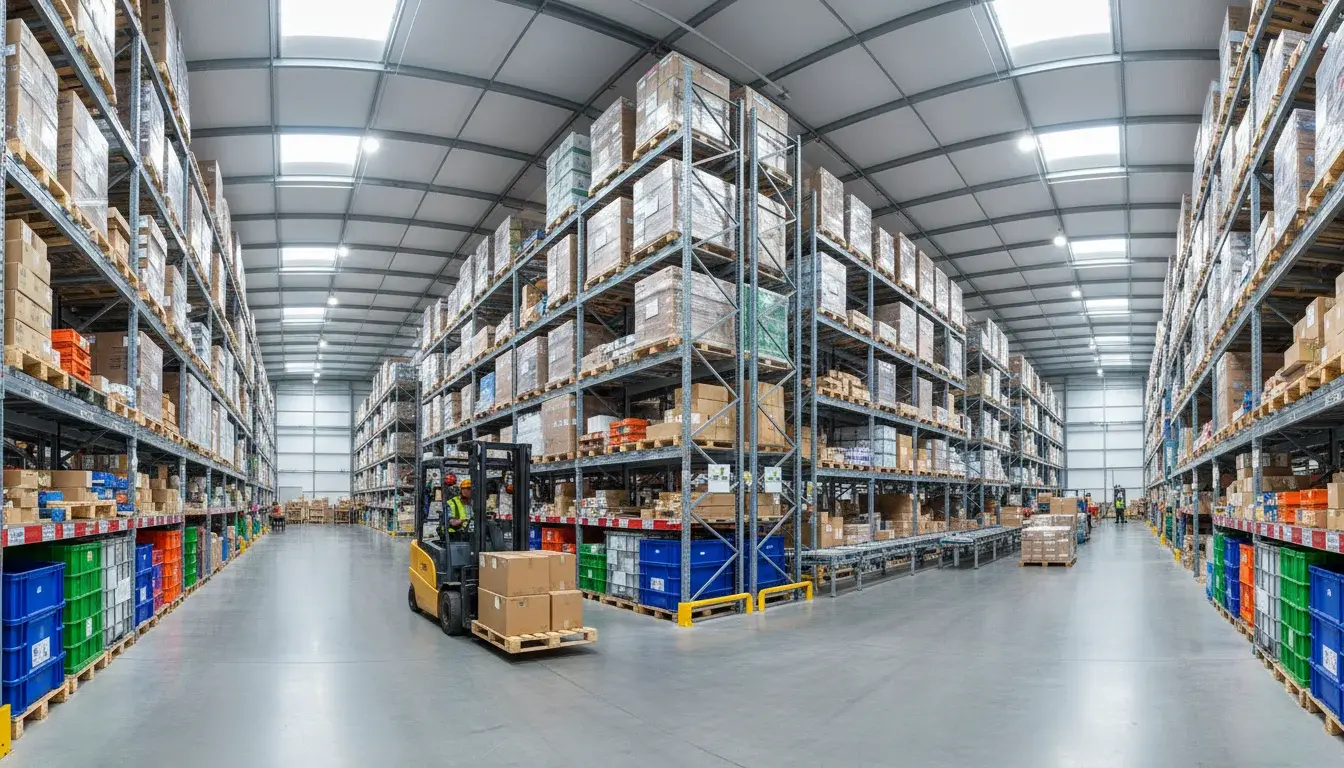
With 5 million square feet of distribution space and its own truck fleet, this third-party logistics provider can offer customers a single-source solution for transportation, distribution, packaging, cross-docking, load consolidation, inventory management, and real estate development.
Industry
Logistics and 3PL, growing at double digits in a competitive transportation environment.
PROBLEM
What they felt
Faced with double digit growth, the company needed to know if its logistics operations were ready to expand and manage all modes of transportation.
What we found
Considerable manpower went into the process of booking and tracking loads, billing customers, generating and paying invoices, status and regulatory reporting and managing customer expectations.
The ratio of administrative staff to operators was high enough to suggest some efficiencies would come through upgrading systems and skills. The basics were covered but heavy volume days and new types of work was challenging. If transportation were to expand to a multi-modal solution, this 3PL had much to do to keep up with the new volumes, process different types of freight and provide real time status and reporting to customers.
WHAT WE DID
Prep and analysis
We identified the strengths and weaknesses of the transportation function and built a solution path to a best-in-class operation, covering a shared vision and a solid business plan, departmental knowledge and logistics expertise, systems, and the foundation for growth.
Execution
Although much of the operation was running well, there were opportunities to enhance other parts of the function. The efficiencies in the back and front office were cobbled by manual efforts that required re-work, double work, and extra manpower. New software technologies provided great efficiencies to the operation and enhanced the reporting capabilities to customers. Certain expertise needed to be brought into the department to enable growth into new modes of transportation.
We built them the margin model
Profitability models were developed to better determine opportunities to increase margin on service offerings, so the provider could price new modes rather than guess at them.
RESULTS
What they got
A back office ready for new modes, with the gaps identified and execution elevated
The gaps were identified, level of execution elevated, efficiencies and accuracy brought to the operation:
- State-of-the-art systems
- Upgraded talent in the department
- Efficient back office
- Upgraded billing and receivables
This engagement was an optimization of the operation rather than a cost reduction exercise, and it required capital investment. The value was the ability to expand into new modes without the back office breaking.
How much are you leaving on the table?
Get an instant calculation of your savings potential. Based on the database of carrier contracts we have audited and negotiated for 600+ clients since 1997, and on current benchmark data showing what companies with your profile pay today.